Tonado de El Universal On Line
Educación Digital, el maestro en el iPod
Hugo Sandoval Zamora El Universal Lunes 10 de julio de 2006
La idea es intercambiar experiencias orientadas a solucionar problemas y mejorar los procesos de enseñanza-aprendizaje, mediante el uso de la tecnología informática
00:00 Marco Torres nació en Los Altos de Jalisco, pero desde hace casi 30 años radica en la ciudad de Los Angeles, California, donde trabaja como profesor de Ciencias Sociales e Integración Tecnológica en la San Fernando High School.
Marco instruye a estudiantes de bachillerato, entre los que destacan alumnos provenientes de familias pobres de inmigrantes latinoamericanos. La peculiaridad de sus clases radica en el método de enseñanza empleado, pues mediante el uso de la tecnología despierta el interés de los jóvenes en el arte digital.
Los maestros que sólo utilizan pizarrón y tiza sin ocuparse de usar mayor tecnología —comenta—, corren el riesgo de ser rebasados por los propios estudiantes, que reciben información de una diversidad de medios como dispositivos móviles, teléfonos celulares, internet y demás.
"Los jóvenes son nativos digitales; los niños son generación @ y los nacidos de los años 80 para atrás son migrantes digitales. Así, los estudiantes o son nativos digitales o son generación @@ . Por su parte, los profesores son inmigrantes digitales que necesitan adoptar tecnología", dice.
Desde hace tres años, el profesor Torres pertenece al Programa Educador Distinguido de Apple (EDA), que integra una comunidad internacional de colaboración entre académicos especializados en tecnologías de la información.
El objetivo de esta iniciativa consiste en fomentar el uso de la plataforma Mac como un instrumento para producir y compartir contenidos educativos. La idea es intercambiar experiencias orientadas a solucionar problemas y mejorar los procesos de enseñanza-aprendizaje, mediante el uso de la tecnología informática.
A la fecha, se cuenta con casi 300 profesores en el EDA, que abarcan todos los niveles educativos. De esta cifra, menos de 10 son latinos y apenas dos son mexicanos, pues Apple abrió el programa en todo el mundo hace apenas más de un año.
México da sus primeros pasos
Nuestro país comienza a ser parte de los esfuerzos mundiales del EDA para transformar la educación.
"Con las nuevas tecnologías, los estudiantes pueden explorar el mundo fuera de las cuatro paredes, el pupitre y el pizarrón del aula tradicional", afirma Alfredo Mora, profesor del Centro Escolar del Lago (CEL) y uno de los dos únicos Educadores Distinguidos de Apple en el país.
"En el CEL, ubicado en Cuautitlán Izcalli, los alumnos ya son capaces, desde muy jóvenes, de generar contenidos digitales y compartirlos. Así, desarrollan su vida escolar muy cerca de la tecnología y ello les permite salir con una ventaja clara del bachillerato e iniciar su carrera universitaria", dice.
En la actualidad, opina, idealmente el profesor debe tener la habilidad de crear páginas Web; manejar archivos en diferentes sistemas operativos y manipular diversos programas de presentaciones; usar cámaras digitales y dispositivos como el iPod; utilizar videoconferencias; tener habilidades en comunicaciones Wi-Fi y Bluetooth, entre otras más.
En el CEL estudian aproximadamente 3 mil alumnos. Algunas de las asignaturas ya incorporan de lleno los avances tecnológicos, por ejemplo en matemáticas, física y química.
Donde todavía se tiene cierto rezago —comenta Mora—, es en rubros como historia y humanidades. En general, la integración de tecnología tiene un grado de avance de 80%.
"A 12 meses de abrirse al ámbito internacional, el EDA está integrándose en México y América Latina con el objetivo de desarrollar a los maestros que están trabajando en instituciones educativas mediante instrucción, capacitación e intercambio de ideas con la comunidad mundial del EDA", argumenta Guillermo Díaz de León, gerente de Apple para el sector educativo.
"El EDA busca generar motores que desarrollen currícula académica y contenidos específicos para la educación a través del uso de la tecnología. Este programa, incluso, ayudará a fortalecer la infraestructura tecnológica pública, la cual, al momento, sólo se usa para consumir conocimiento, no para generarlo", aclara el ejecutivo.
Podcast, nuevo aliado en la educación
¿Qué es una escuela? Desde el punto de vista convencional, es un lugar que distribuye información verticalmente y de modo unidireccional: del profesor a los alumnos.
Con la aplicación de la tecnología la situación cambia en forma notable, pues el flujo de información comienza a distribuirse en forma horizontal: el profesor se convierte más en un guía del proceso educativo, y deja de ser el centro del conocimiento.
Hoy día, ya es posible liberar el aprendizaje de las limitaciones de un aula física, mediante el uso de novedosas tecnologías como el podcast, que permiten divulgar contenido educativo para escucharlo o verlo con una PC o un iPod.
Ya existe una amplia variedad de materiales educativos que se desarrolla y divulga en forma de podcast. El contenido puede ser desde una presentación acerca de un tema de estudios, hasta una clase de algún profesor o un seminario.
En la plataforma Mac se pueden crear podcast con suma facilidad, mediante herramientas incluidas como Garageband, que permite a profesores y alumnos grabar, producir y publicar sus propios contenidos.
Si se recurre a una videocámara y programas como QuickTime Pro 7 o iMovie, es posible crear video.
En ciertas Universidades estadounidenses como la de Duke, cada vez más profesores y estudiantes experimentan ahora mismo con clases y materiales de estudio disponibles para los alumnos vía iPod y otros reproductores MP3.
Muy pronto, no sería raro ver proyectos virtuales y trabajos de investigación, o incluso tesis, en formato podcast.
De esta manera, más de 40 clases en Duke experimentan con el uso de iPod para descargar podcast con diversos contenidos educativos. Las tendencias indican crecimiento en el uso de estas tecnologías y dispositivos.
En México, instituciones como la Facultad de Medicina Veterinaria y Zootecnia son pioneras en el uso de podcast de audio y video, los que se encuentran en línea desde el 10 de marzo del presente año.
Los archivos están relacionados con temas veterinarios, como la influenza aviar (www.fmvz.unam.mx/fmvz/podcast/archivos.htm).
Con todo esto disponible, Marco Torres espera que con el uso de las nuevas tecnologías de información, el profesor se encargue cada vez más de explicar el porqué, mientras que los alumnos abordarán por propia iniciativa el qué y el cómo: toda una revolución en los procesos de enseñanza-aprendizaje.
MUY PRONTO No será raro ver proyectos virtuales y trabajos de investigación, o incluso tesis, en formato podcast.
Con las nuevas tecnologías, los estudiantes pueden explorar el mundo fuera de las cuatro paredes, el pupitre y el pizarrón del aula tradicional"
Alfredo Mora
Profesor del Centro Escolar del Lago (CEL)
30 de septiembre de 2006


29 de septiembre de 2006
Nancagua Abre Podcasting
Se me había extraviado una pequeña nota que el www.elmercurio.com, publicó sobre mi podcast en su sección "Páginas Marcadas" de la columna sobre Internet,.
Aquí el detalle...
Nancagua abre podcasting
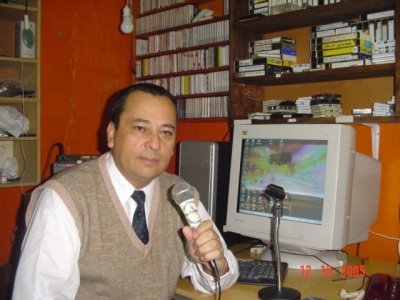
Carlos Toledo Verdugo, Porfesor del Liceo Juan Pablo II de Nancagua abandonó el diexismo, la comunicación radial, por el podcasting. Véalo y escúchelo en http://www.chilepodcast.cl y desde ahí (originalmente San Fernando) navegue muy lejos. Toledo también tiene su nutrido blog: http://chilepodcast.bogspot.com.
El Mecurio, viernes 7 de enero de 2006.-
Aquí el detalle...
Nancagua abre podcasting
Carlos Toledo Verdugo, Porfesor del Liceo Juan Pablo II de Nancagua abandonó el diexismo, la comunicación radial, por el podcasting. Véalo y escúchelo en http://www.chilepodcast.cl y desde ahí (originalmente San Fernando) navegue muy lejos. Toledo también tiene su nutrido blog: http://chilepodcast.bogspot.com.
El Mecurio, viernes 7 de enero de 2006.-
Podcasting Search Engine – The Good And The Not
Podcasting Search Engine – The Good And The Not
Danny Wirken
Expert Author
Published: 2006-09-29
WebProNews RSS Feed
It is much easier for search engines to index text blogs than podcasts or videoblogs. At present, search engines are using link text and the text surrounding the links to podcasts and videoblogs as a means to index their contents.
The situation is admittedly a far cry from the ideal but the great strides being seen in the development of technologies towards the indexing of these mediacasts are very encouraging.
Podcasting in Relation to Search Engines
Podcasting is the method of distributing multi-media files over the Internet using either the RSS or atom-syndication formats, for playback on mobile devices and personal computers. This may include, but is not limited to, audio programs and music videos. Podcast can mean both the content and method of delivery while a podcaster is the host or author of a podcast. The websites of podcasters may offer direct download or streaming of their files. A podcast usually features a single type of show with new episodes introduced regularly or sporadically, although there are podcast networks that feature multiple shows on the same feed. It can be downloaded automatically using software capable of reading RSS or atom feeds.
The term podcasting is technically a misnomer as it combines two words: iPod and broadcasting. It does not require an iPod or over-the-air broadcasting. The "pod" name association stemmed from the popularity of the iPod digital audio player during the time that podcasting began. A lot of other terms have been suggested for use but the term stuck and remained as such.
Like any other regular websites that aim to be found by searchers, search engines have much to contribute towards this end including podcasts. Podcast optimization can be achieved by promoting only one feed. Many podcasters commit the mistake of creating a podcast and then moving over to a different management system which entails promoting a new RSS feed. This usually results to a lot of different feeds for every podcast which may be disadvantageous in the long run.
Another way to get the most out of podcasts is by optimizing the audio file. The findability gap should be closed since a lot of people listen to a podcast on their computers as well as their MP3 players. A landing page can be optimized for each episode of the show as well as the category page. Subscription information that is very visible on the landing page is highly recommended.
Podcasters should also look into building correct and valid feeds with feed validation tools. Since iTunes do not redistribute, a separate feed must be built for it. Doing three separate feeds - a 2.0 feed, a media feed and an iTunes feed is ideal.
The inclusion of a transcript or summary depending on the podcast's time span is needed. A landing page usually requires just a summary which is a well optimized page covering the podcast's high points. Some search engines use speech-recognition to determine the relevancy of the podcast.
Quality podcasts may not be easy to find. This is especially true if the desired site is one that has already done the lifting for its searchers including podcast search engines, directories and round up sites. A huge variety of podcasts are available in a wide variety of genres.
The Podcasting Search Engines
Generally, major search engines are not indexing podcasts in a format that is easy to find. However, some podcast-specific search engines seem to have solved some of the problems. Podscope searches for the spoken words within the podcasts themselves. Yahoo! Podcasts is very user friendly and is one of the more consistent and useful in finding good podcasts. Singing Fish provides a whole ream of results by just typing in podcast or bring back audio results only when specified with the use of drop-down menus on the top left. Other worthy research engines includes Podzinger, Blinkx, BlogDigger and Lycos Audio Search.
Aside from search engines, podcast directories are virtual goldmines for finding good podcasts. The Podcast http://Alley.com includes the very useful Top Ten Podcasts of the Month as voted by listeners. The NPR Podcast Directory contains quality podcasts in a subject directory format. The http://Podcast.net categorizes podcasts of various subjects by tags which are available for free download. Podcast Bunker is likewise one of the best places to find quality podcasts on the web.
Search engines have become very useful especially to those who don't particularly enjoy the search process. http://Podzinger.com allows the user to search podcasts in the same way as searching for anything else in the web. A word or phrase typed in will find relevant broadcasts and highlights the segment of the audio in which they occurred. It is not perfect but it serves the user's need at this time. It works with a speech-recognition software which transforms audio into words. http://Podscope.com and Blinkx are sites that work in a similar way.
Podzinger and Blinkx are search engines that scour audio content for keywords by translating the audio into text and creating an index for quick searching. This is a step ahead of traditional search engines that can only identify keywords in a podcast's Meta data such as the headline and introductory notes which describes the audio file's general content.
Podzinger has officially ended its beta and lets users jump to the spot in a podcast where their search term appears. This is a welcome option to being forced to scan an entire program for pertinent parts such as with Blinkx. The design results to an uncluttered search page similar to those of Google. Podcasters can also link to a searchable index of their content in order to sell sponsored links to text in the index provided by Podzinger.
Both Podzinger and Blinkx include information about the source of the podcast as well as excerpts of text translated from the podcast. This comes with the added convenience of having relevant search terms highlighted. In this regard, Podzinger's information is more extensive while allowing users to hear excerpts and determine its relevancy before downloading the entire podcast.
Podscope searches podcasts but scans only for sounds of syllable rather than full words. It has operated a keyword search engine for video and radio broadcast since 1999. By far, the Blinkx service is a bit more extensive as it scours thousands of podcast and offers search for 1 million hours of TV news video and the content of academic lectures.
The problem at hand for podcast search is the difficulty in finding what is really needed in podcasts. Relevant results cannot be attained without words thus the heavy reliance on speech recognition software that would help the public search for on-line video and radio content. Podcasts are a priority at this time due to popularity boom it is currently experiencing. The aim is to make the spoken word as searchable as the printed word.
Tag: podcasting
Add to Del.icio.us Digg Yahoo! My Web Furl
Bookmark WebProNews:
View All Articles by Danny Wirken
Receive Our Daily Email of Breaking eBusiness News
Danny Wirken
Expert Author
Published: 2006-09-29
WebProNews RSS Feed
It is much easier for search engines to index text blogs than podcasts or videoblogs. At present, search engines are using link text and the text surrounding the links to podcasts and videoblogs as a means to index their contents.
The situation is admittedly a far cry from the ideal but the great strides being seen in the development of technologies towards the indexing of these mediacasts are very encouraging.
Podcasting in Relation to Search Engines
Podcasting is the method of distributing multi-media files over the Internet using either the RSS or atom-syndication formats, for playback on mobile devices and personal computers. This may include, but is not limited to, audio programs and music videos. Podcast can mean both the content and method of delivery while a podcaster is the host or author of a podcast. The websites of podcasters may offer direct download or streaming of their files. A podcast usually features a single type of show with new episodes introduced regularly or sporadically, although there are podcast networks that feature multiple shows on the same feed. It can be downloaded automatically using software capable of reading RSS or atom feeds.
The term podcasting is technically a misnomer as it combines two words: iPod and broadcasting. It does not require an iPod or over-the-air broadcasting. The "pod" name association stemmed from the popularity of the iPod digital audio player during the time that podcasting began. A lot of other terms have been suggested for use but the term stuck and remained as such.
Like any other regular websites that aim to be found by searchers, search engines have much to contribute towards this end including podcasts. Podcast optimization can be achieved by promoting only one feed. Many podcasters commit the mistake of creating a podcast and then moving over to a different management system which entails promoting a new RSS feed. This usually results to a lot of different feeds for every podcast which may be disadvantageous in the long run.
Another way to get the most out of podcasts is by optimizing the audio file. The findability gap should be closed since a lot of people listen to a podcast on their computers as well as their MP3 players. A landing page can be optimized for each episode of the show as well as the category page. Subscription information that is very visible on the landing page is highly recommended.
Podcasters should also look into building correct and valid feeds with feed validation tools. Since iTunes do not redistribute, a separate feed must be built for it. Doing three separate feeds - a 2.0 feed, a media feed and an iTunes feed is ideal.
The inclusion of a transcript or summary depending on the podcast's time span is needed. A landing page usually requires just a summary which is a well optimized page covering the podcast's high points. Some search engines use speech-recognition to determine the relevancy of the podcast.
Quality podcasts may not be easy to find. This is especially true if the desired site is one that has already done the lifting for its searchers including podcast search engines, directories and round up sites. A huge variety of podcasts are available in a wide variety of genres.
The Podcasting Search Engines
Generally, major search engines are not indexing podcasts in a format that is easy to find. However, some podcast-specific search engines seem to have solved some of the problems. Podscope searches for the spoken words within the podcasts themselves. Yahoo! Podcasts is very user friendly and is one of the more consistent and useful in finding good podcasts. Singing Fish provides a whole ream of results by just typing in podcast or bring back audio results only when specified with the use of drop-down menus on the top left. Other worthy research engines includes Podzinger, Blinkx, BlogDigger and Lycos Audio Search.
Aside from search engines, podcast directories are virtual goldmines for finding good podcasts. The Podcast http://Alley.com includes the very useful Top Ten Podcasts of the Month as voted by listeners. The NPR Podcast Directory contains quality podcasts in a subject directory format. The http://Podcast.net categorizes podcasts of various subjects by tags which are available for free download. Podcast Bunker is likewise one of the best places to find quality podcasts on the web.
Search engines have become very useful especially to those who don't particularly enjoy the search process. http://Podzinger.com allows the user to search podcasts in the same way as searching for anything else in the web. A word or phrase typed in will find relevant broadcasts and highlights the segment of the audio in which they occurred. It is not perfect but it serves the user's need at this time. It works with a speech-recognition software which transforms audio into words. http://Podscope.com and Blinkx are sites that work in a similar way.
Podzinger and Blinkx are search engines that scour audio content for keywords by translating the audio into text and creating an index for quick searching. This is a step ahead of traditional search engines that can only identify keywords in a podcast's Meta data such as the headline and introductory notes which describes the audio file's general content.
Podzinger has officially ended its beta and lets users jump to the spot in a podcast where their search term appears. This is a welcome option to being forced to scan an entire program for pertinent parts such as with Blinkx. The design results to an uncluttered search page similar to those of Google. Podcasters can also link to a searchable index of their content in order to sell sponsored links to text in the index provided by Podzinger.
Both Podzinger and Blinkx include information about the source of the podcast as well as excerpts of text translated from the podcast. This comes with the added convenience of having relevant search terms highlighted. In this regard, Podzinger's information is more extensive while allowing users to hear excerpts and determine its relevancy before downloading the entire podcast.
Podscope searches podcasts but scans only for sounds of syllable rather than full words. It has operated a keyword search engine for video and radio broadcast since 1999. By far, the Blinkx service is a bit more extensive as it scours thousands of podcast and offers search for 1 million hours of TV news video and the content of academic lectures.
The problem at hand for podcast search is the difficulty in finding what is really needed in podcasts. Relevant results cannot be attained without words thus the heavy reliance on speech recognition software that would help the public search for on-line video and radio content. Podcasts are a priority at this time due to popularity boom it is currently experiencing. The aim is to make the spoken word as searchable as the printed word.
Tag: podcasting
Add to Del.icio.us Digg Yahoo! My Web Furl
Bookmark WebProNews:
View All Articles by Danny Wirken
Receive Our Daily Email of Breaking eBusiness News
28 de septiembre de 2006
Haga Una Donacion a ChilePodcast
Haga una Donación.
Si está interesado en hacer una donación al sitio http://www.chilepodcast.cl, deposite su donación en cualquier oficina del http://www.bancoestado.cl/ a la Cuenta Corriente Nº 417 000 69 123 a nombre de Carlos Toledo Verdugo.
Gracias por su colaboración.
24 de septiembre de 2006
Suscribirse a:
Comentarios (Atom)